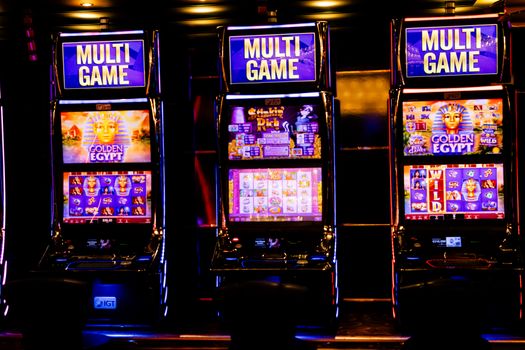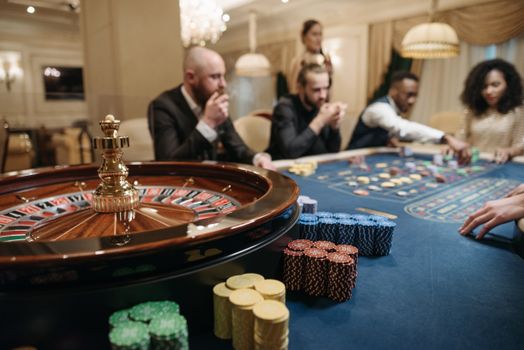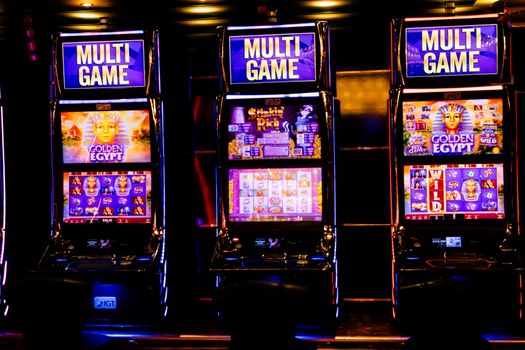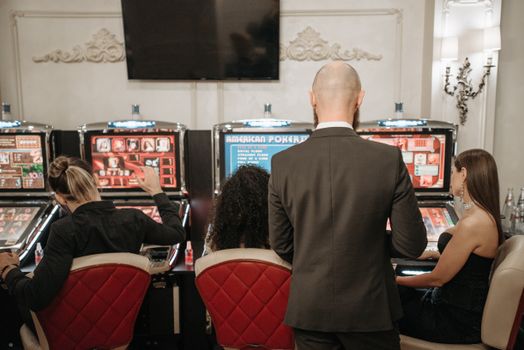
Slot machines have captivated casino-goers for over a century, evolving from simple mechanical devices to complex digital marvels. But behind their flashing lights and enticing sounds lies a fascinating world of engineering, mathematics, and psychology. Understanding the anatomy of a slot machine reveals how these devices not only entertain millions but generate billions in revenue for casinos around the world. In this article, we’ll peel back the layers of a slot machine, exploring its inner workings, components, and the sophisticated technology that drives every spin.
The Evolution of Slot Machines: From Liberty Bell to Digital Titans
The story of the slot machine begins in 1895 when Charles Fey, a San Francisco mechanic, created the first true slot machine—the Liberty Bell. With three spinning reels and a straightforward payout system, Fey’s invention quickly gained popularity. Early machines were entirely mechanical, relying on gears, levers, and springs.
Fast-forward to the 1960s, and the industry saw its first electromechanical slots. By the 1980s, microprocessors and random number generators (RNGs) ushered in the era of video slots. Today, slot machines are sophisticated computers, featuring high-definition screens, touch interfaces, and complex software algorithms.
In 2023, slot machines accounted for over 70% of casino floor space in the United States, according to the American Gaming Association. Globally, the slot machine industry generates more than $50 billion in annual revenue—a testament to their ongoing appeal.
Core Components: What’s Inside a Modern Slot Machine?
At first glance, a slot machine looks like a box of lights, buttons, and spinning symbols. However, beneath the surface are several vital components working in harmony:
1. $1 The heart of every modern slot, the RNG is a microchip that continuously generates random numbers, even when the machine isn’t being played. Each spin’s outcome is determined by the RNG at the moment the player presses “Spin,” ensuring true randomness and fairness. 2. $1 Physical machines use mechanical reels, while video slots employ virtual reels displayed on high-resolution screens. Each reel contains symbols like fruits, bars, or themed icons. The arrangement of these symbols determines potential winning combinations. 3. $1 These are the lines across the reels where matching symbols must land to trigger a win. Classic slots might have a single payline, but modern games often feature 20, 50, or even 243 ways to win. 4. $1 This chart, accessible on every machine, shows the value of each symbol combination and special features like wilds and scatters. 5. $1 Buttons, touchscreens, or levers allow players to interact with the machine, place bets, and start spins. 6. $1 In physical slots, this dispenses coins or tickets when a player wins. In online or digital slots, credits are updated electronically. 7. $1 Flashing lights and celebratory sounds are engineered to enhance excitement and encourage continued play.For context, a typical modern slot machine contains over 1,200 individual parts and runs on software code exceeding 50,000 lines.
The Science of Randomness: How Outcomes Are Determined
The key to a slot machine’s integrity is its random number generator (RNG). This microprocessor-based system produces thousands of numbers per second, each corresponding to a possible reel position or symbol combination. When a player initiates a spin, the machine instantly selects the number currently being generated—that moment’s outcome is locked in.
Contrary to popular belief, slot machines are not “due for a win” or influenced by previous results. Each spin is entirely independent, governed by statistical probability. For example, a three-reel slot with 20 symbols per reel has 8,000 possible combinations (20 x 20 x 20). The RNG ensures every outcome is equally likely, preserving fairness and unpredictability.
Regulatory agencies like the Nevada Gaming Control Board rigorously test and audit slot machines to ensure RNGs meet strict standards for randomness and payout percentages.
Understanding RTP, Volatility, and House Edge
Three essential concepts govern how slot machines payout and how players experience their games:
1. $1 This percentage indicates how much of all wagered money a slot will return to players over millions of spins. For instance, a slot with a 96% RTP will pay back $96 for every $100 wagered in the long run. RTP values for modern slots typically range from 85% to 98%. 2. $1 Volatility reflects how risky a slot is. High-volatility slots pay out less frequently but offer larger jackpots. Low-volatility slots provide more frequent wins but smaller amounts. Players may choose based on their risk appetite and playing style. 3. $1 This is the casino’s built-in advantage, calculated as 100% minus the RTP. A slot with 96% RTP has a 4% house edge. This edge ensures the casino’s long-term profitability.The table below compares three typical slot machine profiles:
| Slot Type | RTP (%) | Volatility | House Edge (%) | Example |
|---|---|---|---|---|
| Classic 3-Reel | 95 | Low | 5 | Double Diamond |
| Modern Video Slot | 96.5 | Medium | 3.5 | Starburst |
| Progressive Jackpot | 88 | High | 12 | Mega Moolah |
As you can see, progressive jackpot slots usually offer lower RTPs and higher volatility, offset by the potential for life-changing payouts.
Bonus Features and Modern Innovations
Slot machines have evolved far beyond simple spinning reels. Today’s games are packed with interactive features and cutting-edge technology:
- $1 Mini-games that offer free spins, multipliers, or “pick-and-win” features. These add excitement and can boost winnings. - $1 Wilds substitute for other symbols to complete winning lines, while scatters often trigger bonus rounds or free spins. - $1 Linked across multiple machines or online platforms, a small portion of each bet feeds a communal jackpot. Mega Moolah, for example, paid out a record $20 million jackpot in 2021. - $1 Some new slots incorporate video game-like skill challenges, appealing to younger generations. - $1 Partnerships with movies, TV shows, or celebrities create immersive experiences. In 2023, branded slots accounted for 28% of new releases in the U.S. market. - $1 The latest machines use advanced graphics, surround sound, and touch controls for a more engaging experience.Software developers like IGT, Aristocrat, and NetEnt invest millions annually in research and development to keep slot machines at the forefront of entertainment technology.
Physical vs. Online Slot Machines: Key Differences
While physical and online slots share the same basic mechanics, there are notable differences in their design, accessibility, and features.
| Feature | Physical Slot Machine | Online Slot Machine |
|---|---|---|
| Location | Casino floor | Anywhere with internet access |
| RTP Range | 85% - 96% | 92% - 98% |
| Game Variety | Limited by floor space | Thousands of titles |
| Bet Sizes | Typically $0.01 - $100 per spin | $0.01 - $500+ per spin |
| Bonus Features | Standard (free spins, bonus rounds) | Advanced (multi-level, interactive, tournaments) |
Online slots often offer higher RTPs, more variety, and unique features such as tournaments and leaderboards. However, the sensory experience of a real casino—lights, sounds, and the social aspect—remains unmatched for many players.
The Psychology Behind Slot Machine Design
Slot machines are meticulously designed to captivate and retain players. Their appeal is not only in the possibility of a big win but in the immersive experience they offer. Here are some psychological tactics commonly employed:
- $1 By displaying two jackpot symbols and one just above or below the payline, machines create the illusion of an “almost win,” encouraging further play. - $1 Vibrant lights, celebratory sounds, and tactile feedback stimulate the brain’s reward centers, triggering dopamine release. - $1 Slot machines use a variable ratio reinforcement schedule, the same principle that keeps people glued to social media or lottery tickets. Unpredictable rewards are more compelling than predictable ones. - $1 Some slots allow customization of themes, soundtracks, or betting styles, creating a sense of ownership and engagement.Studies show that slot machines can produce up to 400 game outcomes per hour, giving players frequent feedback and keeping them engaged for longer periods.
Final Thoughts: The Fascinating Machinery Behind Every Spin
The anatomy of a slot machine is a marvel of modern engineering, mathematics, and psychology. From their humble mechanical beginnings to today’s digital masterpieces, slots have never stopped evolving. Understanding how they work—from RNGs to paylines, and from bonus features to house edge—can enrich your appreciation of these captivating games, whether you’re spinning the reels in Las Vegas or online at home. As technology continues to advance, expect slot machines to become even more immersive, interactive, and rewarding.