The Psychology Behind Casino Design: How Environments Influence Player Behavior
Step into any casino, and you’ll immediately notice a world unlike any other—bright lights, ringing slot machines, labyrinthine walkways, and a palpable sense of excitement. But have you ever wondered why casinos look and feel the way they do? The answer lies not just in aesthetics, but in a carefully orchestrated science: the psychology behind casino design. Every color, sound, and spatial arrangement is meticulously planned to influence player emotions and behavior, maximizing engagement and, ultimately, the casino’s bottom line. In this article, we’ll delve deep into the fascinating strategies and psychological principles that shape the modern casino environment, revealing how design subtly nudges players to stay longer, play more, and return often.
The Evolution of Casino Design: From Classic to Contemporary
Casinos haven’t always looked the way they do today. Early gambling establishments, like the Monte Carlo Casino in Monaco (opened in 1863), featured opulent décor, high ceilings, and natural light. For decades, the dominant design philosophy was pioneered by Bill Friedman in the 1970s. Known as the “gaming maze,” this approach involved low ceilings, windowless rooms, and winding layouts designed to disorient, immerse, and keep players focused on gambling.
However, as player preferences evolved, so did design strategies. Steve Wynn’s Mirage in Las Vegas (1989) marked a turning point—ushering in “destination casinos” that emphasized comfort, luxury, and themed environments. Modern casinos blend gaming with entertainment, shopping, and dining, making them appealing to a broader audience.
Statistically, the transformation paid off: Las Vegas visitation increased from 20.3 million in 1990 to 42.5 million in 2019, according to the Las Vegas Convention and Visitors Authority. Design has played a pivotal role in this growth, catering to both the psychology of the gambler and the casual visitor.
Color, Light, and Sound: Stimulating the Senses
Colors, lights, and sounds in casinos are far from random. Psychological research shows that these sensory elements can have profound effects on mood, arousal, and decision-making.
For instance, red and gold hues dominate casino interiors because they evoke excitement, luck, and opulence—qualities associated with risk-taking and reward. A 2003 study in the Journal of Hospitality & Leisure Marketing found that red environments increased betting activity compared to blue ones, amplifying the thrill of gambling.
Lighting is another powerful tool. Casinos use ambient lighting to create a sense of timelessness. Without windows or clocks, it’s easy to lose track of time—a phenomenon known as “time distortion.” Bright, dynamic lights around slot machines draw attention and signal excitement, while softer lighting in table game areas encourages social interaction and comfort.
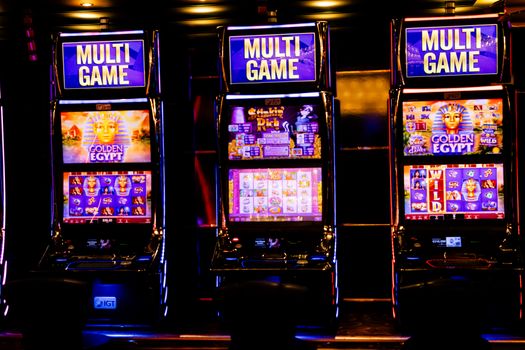
Soundscapes are carefully curated, too. The constant chimes, jingles, and celebratory noises from slot machines are designed to trigger dopamine release in the brain. Even the background music is selected for its tempo and mood-enhancing qualities, subtly energizing players and making the environment more inviting.
Layout and Navigation: Keeping Players Engaged
Casino layouts are masterpieces of behavioral engineering. The old “maze” model kept players inside by making exits hard to find, but today’s designs are more sophisticated.
Modern casinos utilize a “hub-and-spoke” design, with gaming areas radiating from a central atrium surrounded by restaurants, bars, and attractions. This layout ensures players encounter games at every turn, increasing the chance they’ll stop to play. According to a 2017 study by the University of Nevada, casinos that adopted more open, navigable layouts saw a 12% increase in time spent on the gaming floor.
Signage is intentionally minimal; instead, bright machines and tables act as visual anchors. The absence of clocks and windows further detaches players from the passage of time. Additionally, “comfort zones”—lounges, bars, and cafes—are strategically placed to provide rest without ever truly leaving the gambling environment.
Below is a comparative overview of classic versus modern casino layout strategies:
| Design Element | Classic (Maze) | Modern (Open/Hub) |
|---|---|---|
| Navigation | Complex, disorienting | Open, intuitive |
| Lighting | Dim, uniform | Dynamic, themed |
| Game Placement | Clustered, hidden exits | Centralized, visible from main paths |
| Comfort Areas | Few, isolated | Integrated, accessible |
| Time Awareness | No windows/clocks | Natural light in some spaces, still limited clocks |
Technology and Personalization: The Digital Age of Casino Design
With the rise of digital technology, casino design has entered a new era. Today, integrated systems track player behavior, preferences, and time spent on the floor, feeding this data back into design improvements. For example, radio-frequency identification (RFID) chips in loyalty cards allow casinos to personalize offers, suggest games, or even adjust lighting and music in specific areas to suit the preferences of high-value players.
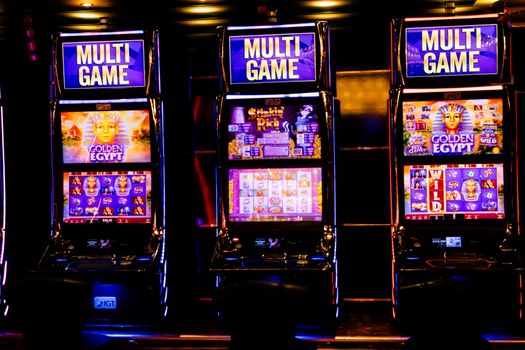
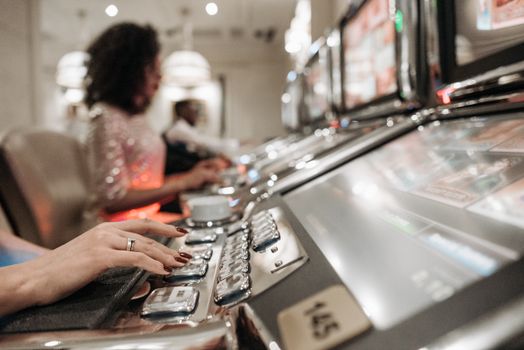
Slot machines have evolved into immersive, multimedia experiences, featuring touch screens, surround sound, and interactive elements. According to the American Gaming Association, over 70% of casino revenue in the U.S. now comes from slot machines, reflecting their central role in modern design.
Digital signage and wayfinding systems also enhance navigation and promote special events, while smart HVAC systems optimize air quality and temperature for guest comfort. The blending of online and offline experiences is increasingly common—casinos use mobile apps to send push notifications, offer virtual reality previews, and facilitate cashless gaming.
Social Spaces and the Role of Community
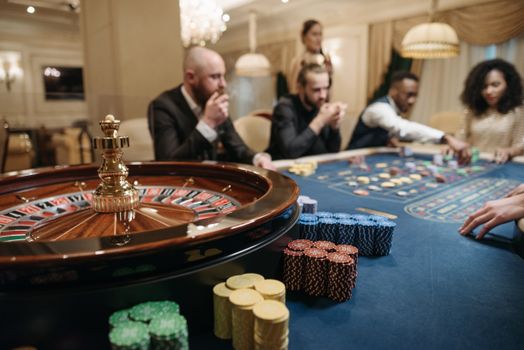
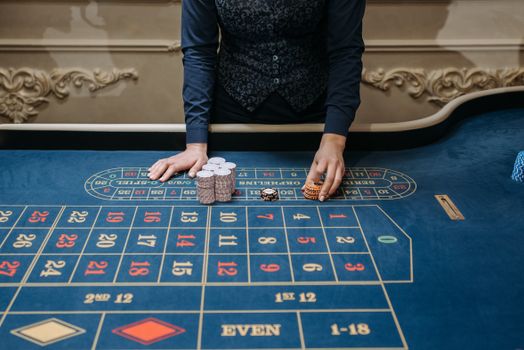
Casinos aren’t just about gambling—they’re social hubs. Modern design recognizes that players are more likely to stay and spend when they feel part of a vibrant community. Open spaces, comfortable seating, and communal gaming tables (like craps and poker) foster interaction and excitement.
Designers also incorporate non-gaming attractions such as concert venues, art displays, and gourmet restaurants to appeal to diverse interests. This strategy is supported by data: a 2018 report by the University of Nevada showed that 61% of Las Vegas visitors engaged in non-gaming activities, highlighting the importance of diversified environments.
Moreover, casinos use scent marketing—pumping signature fragrances into the air—to create a memorable, pleasant atmosphere that guests associate with positive experiences. These subtle cues encourage repeat visits and help establish brand identity.
Ethical Considerations: Balancing Engagement and Responsibility
The psychological tactics behind casino design are undeniably effective, but they also raise ethical questions. Features like time distortion, sensory overload, and personalized promotions can increase the risk of problem gambling for vulnerable individuals.
To address these concerns, many casinos implement responsible gaming measures. These include clear signage about odds, self-exclusion programs, and limits on alcohol service. Some jurisdictions require clocks to be visible in gaming areas and mandate staff training to identify and assist problem gamblers.
Research from the National Council on Problem Gambling estimates that 2-3% of U.S. adults (about 6 million people) struggle with gambling addiction. As casinos continue to innovate, balancing profitability with player well-being remains a critical challenge.
The Lasting Impact of Casino Design Psychology
The world of casino design is a testament to the power of environment in shaping human behavior. From the strategic use of color and sound to the integration of cutting-edge technology, every element is calibrated to create a seamless, immersive experience. The numbers speak for themselves: as design has evolved, so too has the popularity and profitability of casinos worldwide.
For players and visitors, understanding the psychology behind casino design can foster greater awareness and more mindful choices. For the industry, the ongoing challenge is to innovate responsibly, creating spaces that entertain and engage without exploiting psychological vulnerabilities.